Book of the Week
Feb 5, 2026
Different Tools, Same Ideas: A Guided Tour of the Most Popular Coding Languages
Rafiq Omair
On a weekday evening, a campus computer lab can feel like a language festival. One student is wrestling with Python to plot data, another is debugging a JavaScript web app, and a third is grinding through C code for an embedded systems lab. They are all talking to computers, but they are not speaking the same dialect.
If you are new to programming, the sheer number of languages can feel pointless. Why learn Python if there is Java? Why use JavaScript if you already know C?
In this article, we will look at several of the most popular languages and focus on how they differ in feel and in use: what they are good at, where they show up in the real world, and what kind of mental model each one encourages.
Why So Many Languages
At a high level, all programming languages let you tell a computer what to do. The differences come from tradeoffs.
Some languages prioritize raw speed and low-level control. Others favor readability and rapid development. Some were built around a particular environment, such as the web browser or the Android phone. Others grew up in scientific labs or corporate back offices.
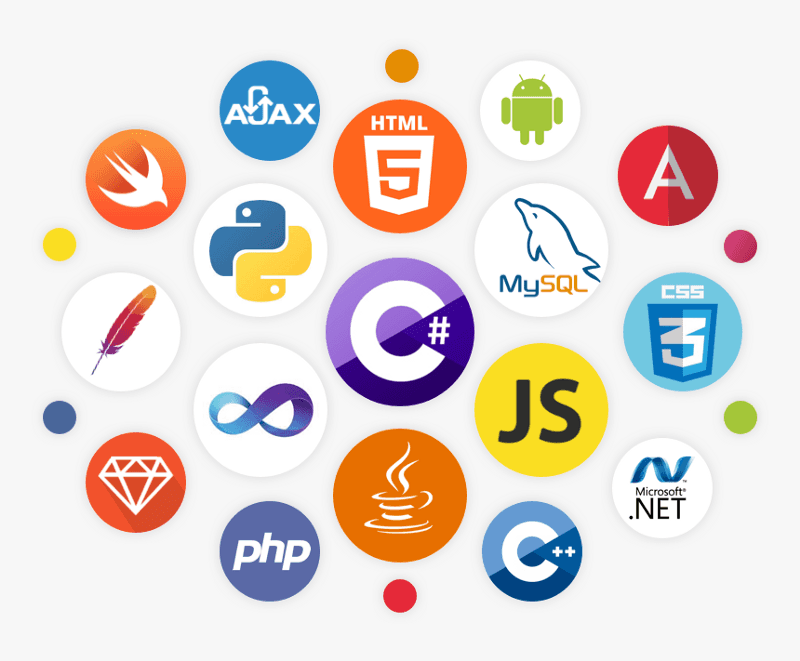
If you look at recent popularity rankings like TIOBE and the PYPL index, you see the same names near the top: Python, Java, C, C plus plus, C sharp, JavaScript, with newer contenders such as Go and Rust rising underneath.
Think of them as different tools in the same workshop. A hammer and a screwdriver are both for building, but you would not pick them for the same task.
Python: The Friendly Generalist
If you only know one programming language by name, it is probably Python. In most global rankings, it sits at or near number one, and surveys find that a large share of professional developers use it day to day.
Python is a general-purpose language. It is used in web development, data analysis, machine learning, scripting, automation, and more.
The reasons are straightforward:
The syntax is relatively simple and readable, with a strong emphasis on clarity.
It has a huge collection of libraries, especially for data science and machine learning.
It works on all major operating systems and integrates well with other tools.
The tradeoff is that pure Python code is not the fastest in raw execution speed. Many heavy duty libraries are implemented in optimized C or C plus plus under the hood, while Python glues pieces together.
Python feels like a notebook that happens to be executable. It invites experimentation, quick scripts, and rapid prototyping.
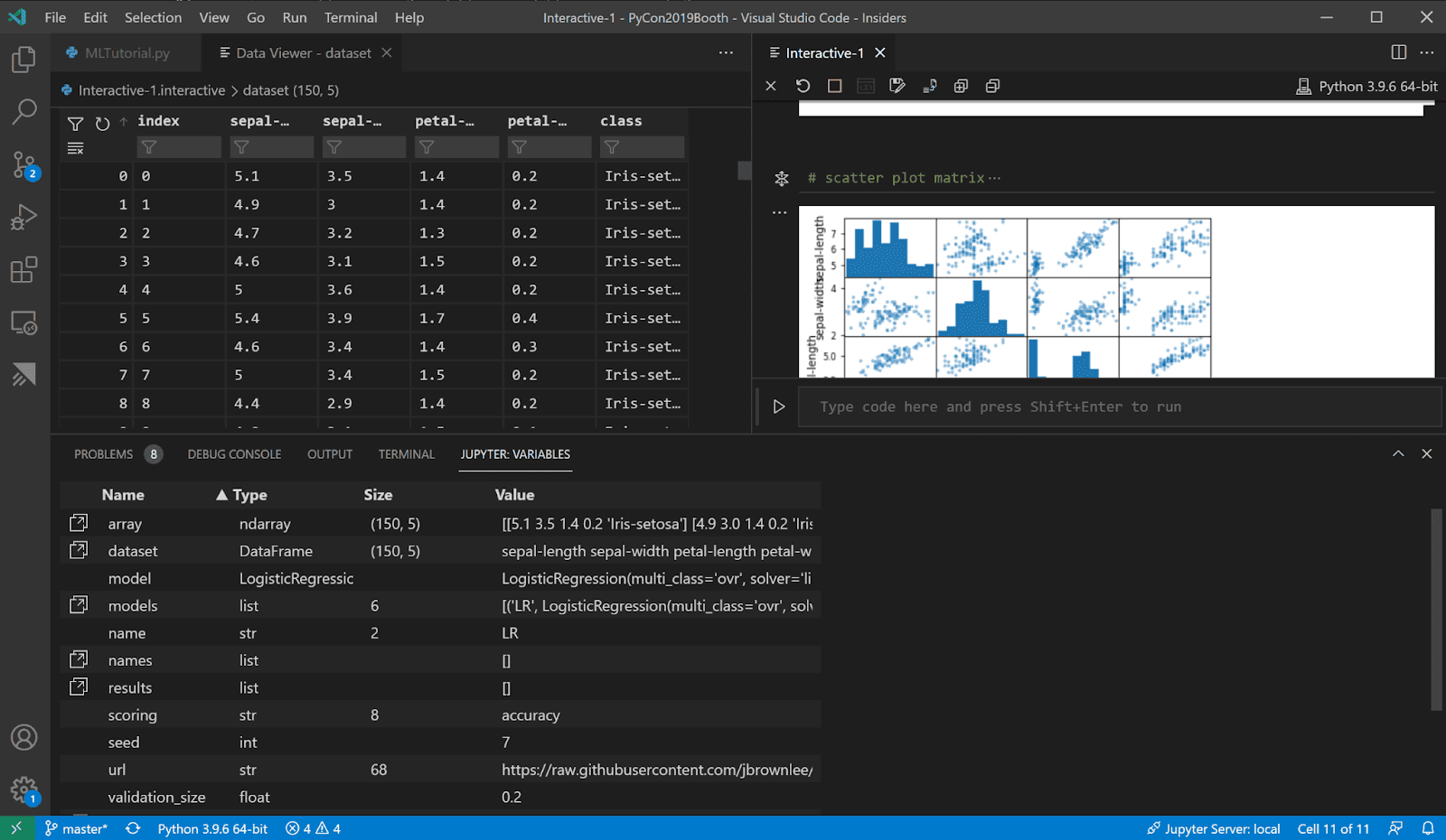
Fig 2. Python makes it easy to experiment and visualize ideas quickly
JavaScript: The Language of the Browser
If Python is the generalist, JavaScript is the language of the web front end.
Every major web browser includes a JavaScript engine. When you click a button and a page updates without a full reload, some JavaScript is probably involved. Modern web development rests on a trio of technologies: HTML for structure, CSS for styling, and JavaScript for logic.
Key features:
JavaScript runs directly in the browser, with no extra installation needed for the user.
It is dynamically typed and flexible, which makes it easy to get started, but can lead to surprising bugs if you are not careful.
The same language now runs on the server through platforms like Node.js, which means you can build full web applications with one primary language.
The JavaScript ecosystem is famously fast-moving, with many frameworks and libraries. At its core, though, the role is simple. JavaScript is how you make web pages interactive.
For a beginner, JavaScript feels improvisational and immediate. Save a file, refresh the browser, see what happens.
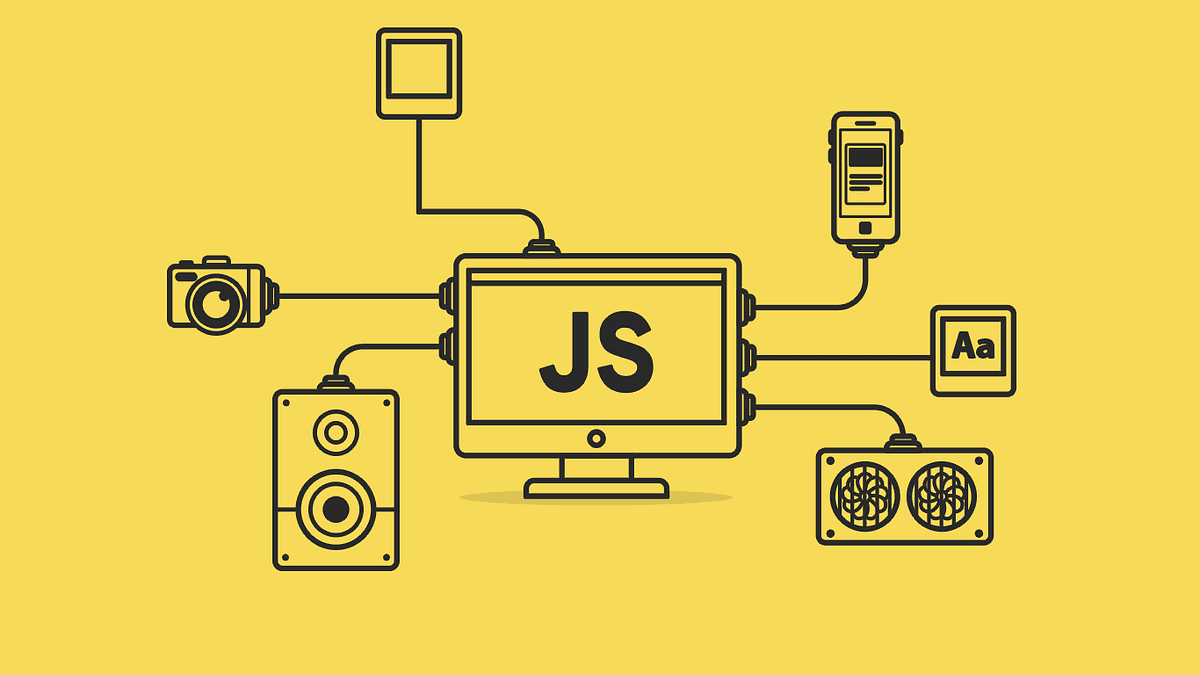
Foge 3. JavaScript links your interface to real actions, like buttons, forms, and media
Java: Enterprise Workhorse and Android Mainstay
Java came of age with the slogan “write once, run anywhere,” built around a virtual machine that could execute the same compiled code on different platforms.
Today, it is still a staple in large-scale systems: banking software, enterprise back ends, and Android apps. Android development relies heavily on Java-compatible languages, and the standard tools ship with Java libraries.
Characteristics:
Java is strongly typed, which means you must declare the types of variables and follow strict rules about how they can be used.
The language enforces a fairly structured, object-oriented style.
It compiles to bytecode that runs on the Java Virtual Machine, which can be optimized by the runtime for performance.
Compared to Python, Java code is more verbose but also more explicit. The type system can catch certain mistakes before the program ever runs, which larger teams often appreciate.
Java feels like a suit and tie language. It is designed for large, long-lived projects where consistency and maintainability matter.
C and C plus plus: Close to the Metal
If Python and JavaScript sit closer to human language, C and C++ sit closer to the hardware.
C is often described as a low-level or systems language. It gives you direct control over memory, data layout, and how your program interacts with the operating system. It is widely used in operating systems, embedded devices, and performance-critical code.
C plus plus adds features on top of C, including object orientation, templates, and more powerful abstractions. It remains common in game engines, real-time systems, and high-performance computing.
Key tradeoffs:
You can write very fast, very efficient code and use hardware resources precisely.
You are also responsible for managing memory and avoiding a long list of subtle bugs.
For students, C and C plus plus offer a clear window into how computers really work. They also have a steeper learning curve and a higher penalty for mistakes.
C feels like a manual transmission. You get control and efficiency, but you have to know what you are doing.
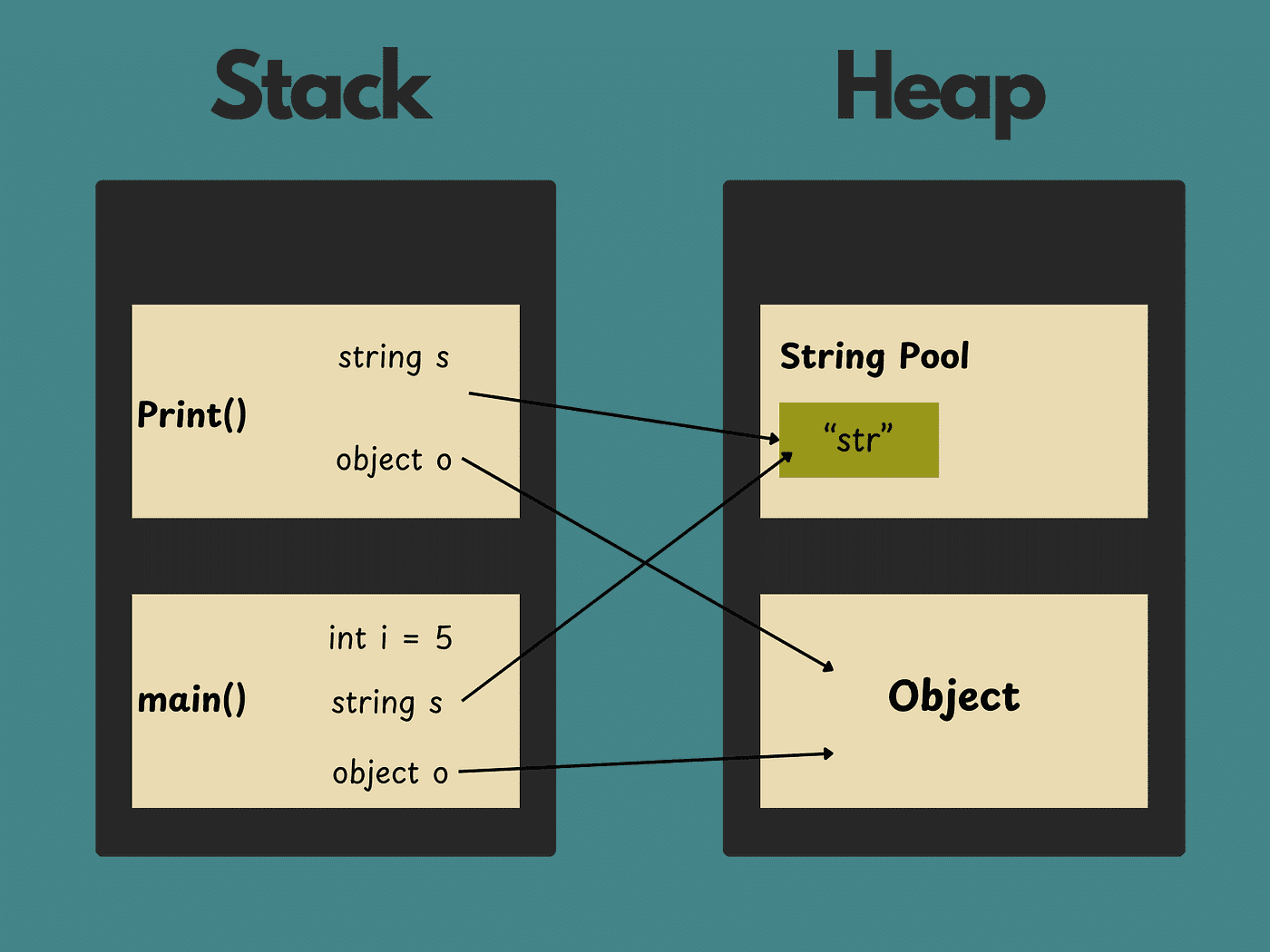
Fig 4. C and C++ bring you closer to how computers manage memory.
C sharp: The .NET and Game Engine Language
C sharp (C sharp) is a language in the Microsoft .NET ecosystem. It is widely used for Windows applications, web back ends, and, importantly, for game development.
The Unity game engine, which powers a large share of mobile and indie games, uses C sharp as its primary scripting language. Unity compiles C # code to target many different platforms, which lets developers build for desktop, mobile, console, and VR with one language.
C sharp sits somewhere between Java and C++ in feel:
It is strongly typed and object-oriented, like Java.
It runs on a virtual machine with automatic memory management (garbage collection).
It includes modern language features and a large standard library.
For a student who knows Java, C sharp will look familiar. If you are interested in games or the Microsoft ecosystem, it is a natural choice.
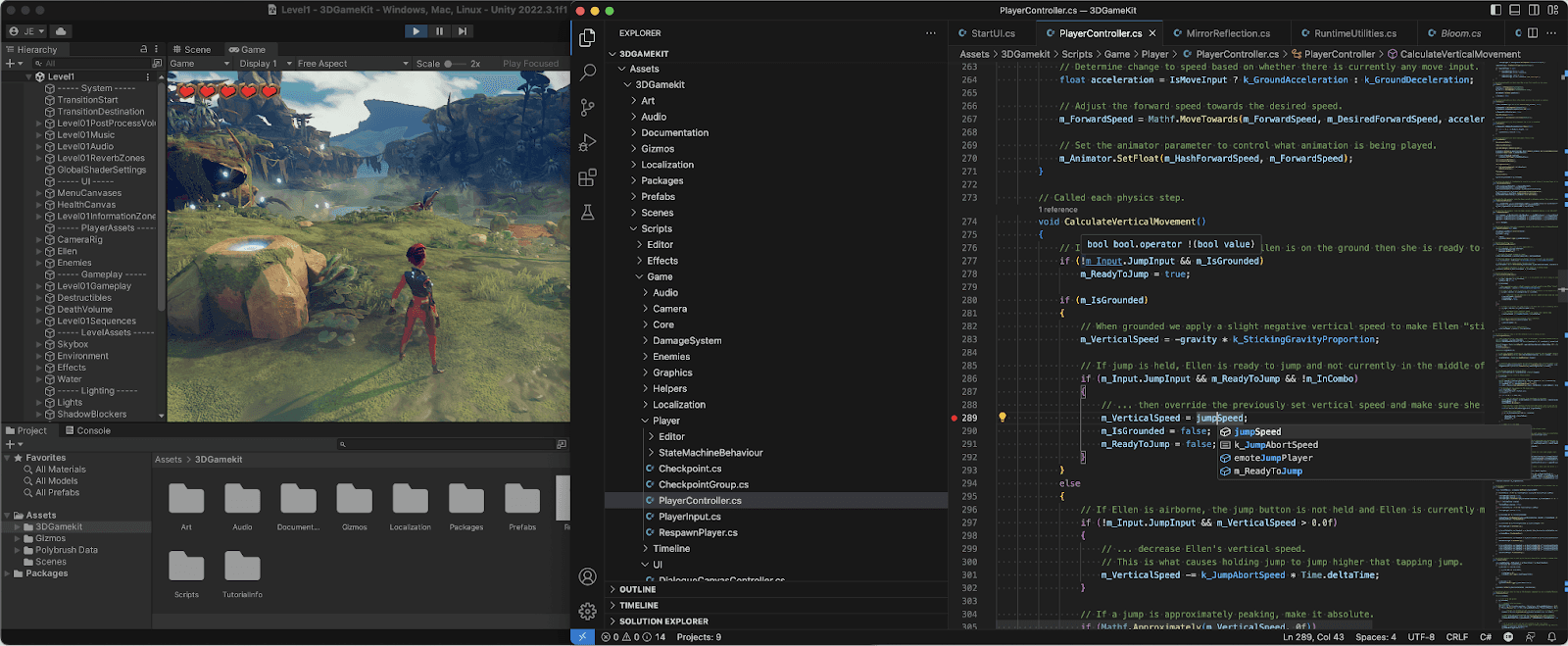
Fig 5. C# powers the Unity game engine, used by thousands of indie and mobile developers.
Go and Rust: Modern System Languages
While not as ubiquitous as Python or Java yet, Go and Rust represent an important trend.
Go, created at Google, aims to simplify system programming and back-end services. It has a small, clean language core, built-in concurrency features, and fast compilation. It is popular for cloud services and networking tools.
Rust, backed by Mozilla and a strong open source community, focuses on safety and performance. It offers low level control similar to C plus plus but uses a strict ownership system to prevent whole classes of memory bugs at compile time. Rust has gained attention in systems programming, browsers, command-line tools, and safety-critical code.
Both languages show how newer designs try to keep the speed of C while reducing its pitfalls.
How They Feel Different In Practice
If you put the same simple task into each language, such as reading a file and counting lines, you notice differences:
Python code is short and readable, with many helper libraries.
JavaScript slots naturally into anything web-related.Java and C sharp feel structured and explicit, suited to larger applications.
C and C plus plus make you think about memory and performance with every line.
Go and Rust add modern twists to the systems programming story.
Underneath, though, the core concepts are shared: variables, loops, functions, and data structures. Learning one language makes the next easier.
Which Language Should You Learn First
A reasonable rule of thumb is:
If you care about data, science, or trying ideas quickly, start with Python.
If you want to build interactive websites, learn JavaScript and its partner technologies, HTML and CSS.
If you see yourself in large back end systems or Android, learn Java or C sharp.
If you want to understand how computers really work or go into embedded and systems work, spend time with C and later C plus plus or Rust.
The important point is that you are not marrying a language. Professional developers often know several. What matters most is learning to think clearly about problems and to express solutions in a way that both humans and machines can understand.
The languages you see in that crowded lab are different ways to do the same thing: turn ideas into instructions that run on real hardware. Once you know how to spot their personalities, choosing which one to learn next starts to look less like a mystery and more like picking the right tool for what you want to build.