Explainers
Dec 15, 2025
Frederick Banting was more than just The Insulin Guy
Rafiq Omair
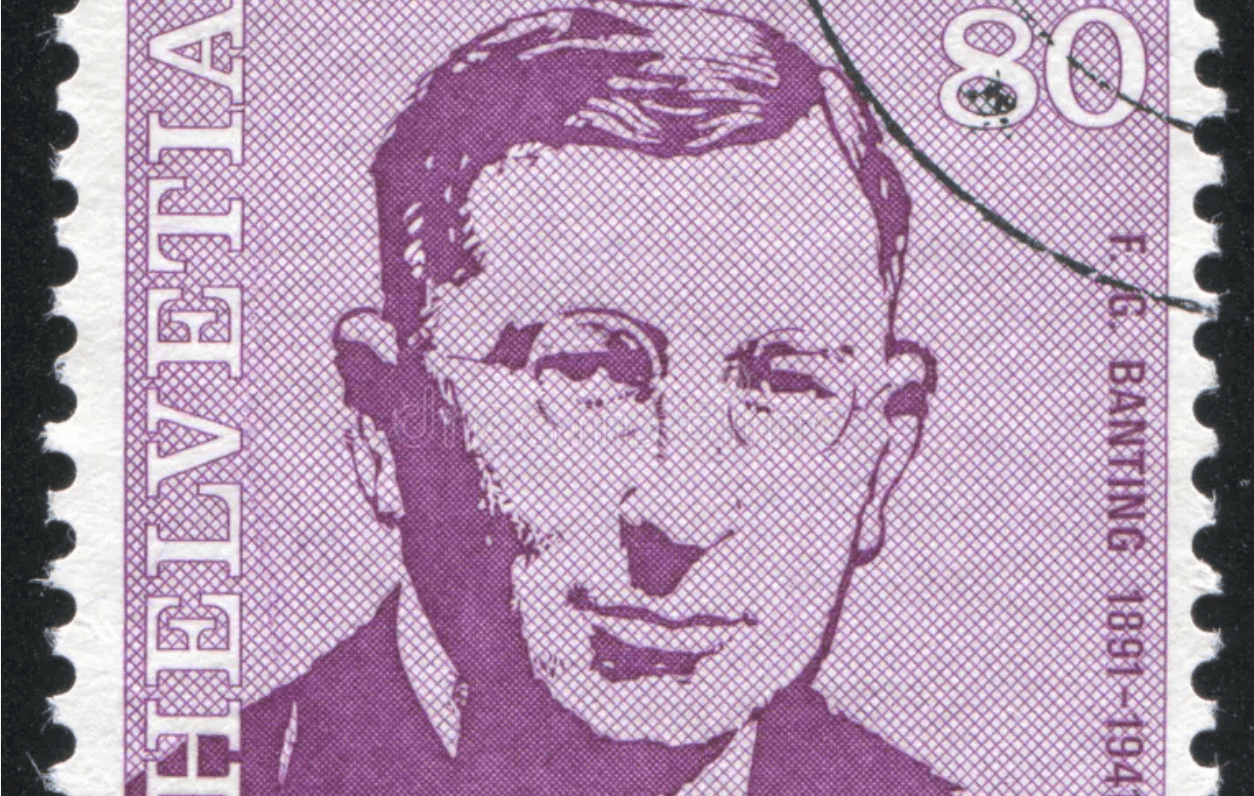
Field surgeon in the Great War. Stubborn problem-solver in a cramped Toronto lab. Art adventurer on Arctic ships. Wartime innovator chasing ways to keep fighter pilots conscious under crushing G-forces. You might not expect all these lives to belong to the same man—but they do. His name is Sir Frederick Banting, and he’s far more than just the discoverer of insulin.
Banting’s school story is wonderfully human. Born in 1891 in Alliston, Ontario, it was a rough start for him at the University of Toronto in Victoria College. He failed his first year, then wrote to the board, made his case, and returned in February 1912. Later that year, he left the arts track to pursue medicine at the University of Toronto. That decision flipped a switch.
Once in med school, he worked with real focus. The late nights turned into early mornings. His grades climbed to a solid B average, and classmates started noticing that the quiet kid from Alliston had serious grind. He leaned toward the operating room and took every chance to assist, and eventually specialized in surgery. That blend of practical skill and calm resolve would resurface throughout his life.
A Medal for Courage before the Lab Coat Fame
Before his breakthrough years in the lab, Banting served as a medical officer in the First World War. At Cambrai in 1918, even after being wounded, he continued treating fellow soldiers, a display of courage that earned him the Military Cross. That same grit and unwavering commitment to his patients stayed with him for the rest of his life.
Insulin and the Prize that sparked arguments
Between 1921 and 1923, Banting led the team that transformed life for people with diabetes. In a modest Toronto lab, working alongside his assistant Charles Best, he helped isolate insulin and demonstrate that it could save lives. It was nothing short of a revolution.
When the Nobel Prize was awarded in 1923, the committee gave it to Banting and J.J.R. Macleod. This decision sparked fierce debate. Banting believed his assistant, Best, deserved credit, and Macleod had barely worked in the lab. In protest, Banting split his prize money with Best. Macleod later shared his half with James Collip, who had refined the insulin.
A Seed Fund for curious minds
In 1925, Banting helped launch the Banting Research Foundation, an initiative to fund bold, early-career scientists across Canada. Long before the term “startup grant” existed, Banting believed in giving ‘scrappy’ researchers a shot.
That spirit still lives on; many Canadian research careers began thanks to a small Banting grant and a big dream.
Insulin, Innovation, and the Battle Against Blackouts
By the late 1930s, Banting pivoted toward aviation medicine. His new mission: keep pilots alive in extreme conditions. He backed research into the Franks Flying Suit, the world’s first practical G-suit, designed to prevent pilots from blacking out during high-speed turns. He also pushed forward treatments for chemical burns and other wartime medical emergencies.
A Painter on an Ice Ship
Another fun twist that rarely gets mentioned, Banting was also a painter. In 1927, he joined A.Y. Jackson of the Group of Seven on an Arctic expedition aboard the Beothic, sketching remote RCMP outposts and icebound landscapes. His paintings capture stark northern beauty, cold light, wide skies, and the stillness of snow-covered land. Today, some of his canvases hang in Canadian galleries, offering a glimpse into his reflective, artistic side.
A Final Mission That Never Reached Britain
In February 1941, Banting boarded a flight bound for wartime research work in the United Kingdom. The aircraft crashed in Newfoundland, and he died of his injuries at 49. He left as he lived, completely committed to service.
Why Banting’s story still matters
Banting proves that science is a team sport and a full-contact one at that. He helped create a culture of funding ‘scrappy’ ideas, moved across fields without fear, and showed that a life in science can hold courage, art, and stubborn compassion all at once. If you want a north star for Canadian research energy, start with Banting.
His legacy is not just discovery, but the spirit of persistence and generosity that makes discovery matter.